Reinforce safe recovery for active patients
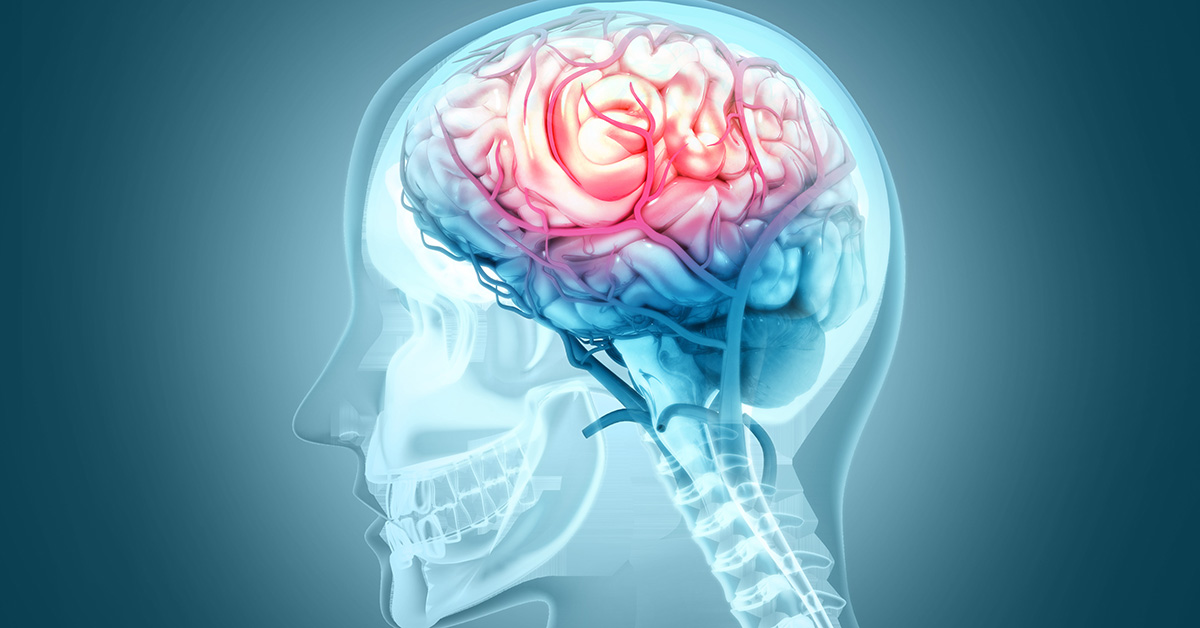
March is Traumatic Brain Injury (TBI) Awareness Month, a reminder that sports injuries don’t just affect muscles and joints—they can also impact the brain, long-term health, and overall quality of life.
For orthopedic and sports medicine practices, this is also an opportunity to reinforce safe recovery—especially for active patients eager to get back to their routines.
While concussions and TBIs deserve special attention this month, most sports-related injuries orthopedic providers see every day fall into a few familiar categories. Helping patients understand these injuries and what recovery really requires is where patient education makes a meaningful difference.
The big three of sports injuries
These are some of the most common injuries seen in orthopedic and sports medicine practices.
Sprains and strains – Ligament sprains and muscle strains are among the most common sports injuries. They’re often underestimated by patients, even though improper treatment or early return to activity can delay healing.
Overuse injuries – Tendinitis, stress fractures, and other overuse injuries tend to develop gradually—especially in active patients who push through pain or don’t recognize early warning signs.
Concussions – TBIs, including concussions, remain a significant concern in contact and high-impact sports. Ignoring them can be dangerous. Clear education around symptoms, recovery timelines, and return-to-play guidelines is essential.
Why patient education matters
For active patients, the goal is often simple: get back to doing what they love. The challenge is helping them understand that recovery isn’t just about fixing the injury—it’s about protecting long-term function.
Orthopedic and sports medicine education help patients:
- Understand what their injury is and how it happened
- Set realistic recovery expectations
- Know why rest, rehab, or activity modification matters
- Reduce the risk of re-injury or delayed healing
When patients can see how an injury affects the body and what their treatment is designed to do, recovery plans tend to make more sense and are easier to follow.
Support recovery with ViewMedica
Conversations around concussions, TBIs, and other sport-related injuries can be difficult, particularly when patients feel “mostly fine” and want to return to activities quickly. Orthopedic and sports medicine providers play a key role in guiding these conversations.
Use ViewMedica’s orthopedic and sports medicine patient education videos as an extension of the exam room. Sports injuries are common, but setbacks don’t have to be permanent.
Continue the conversation
Active patients want answers they can understand. With ViewMedica’s On-Demand and VMcast patient education videos, you can deliver those answers. Schedule your FREE, online demo today!
Resources
“Sports Injuries.” National Institute of Arthritis and Musculoskeletal and Skin Diseases (U.S.). https://www.niams.nih.gov/health-topics/sports-injuries). Accessed 1 March 2026.
“What Are the Most Common Sports Injuries?” Cleveland Clinic. https://my.clevelandclinic.org/health/diseases/22093-sports-injuries. Accessed 1 March 2026.
“Facts About TBI.” Centers for Disease Control and Prevention. https://www.cdc.gov/traumatic-brain-injury/data-research/facts-stats/index.html. Accessed 1 March 2026.